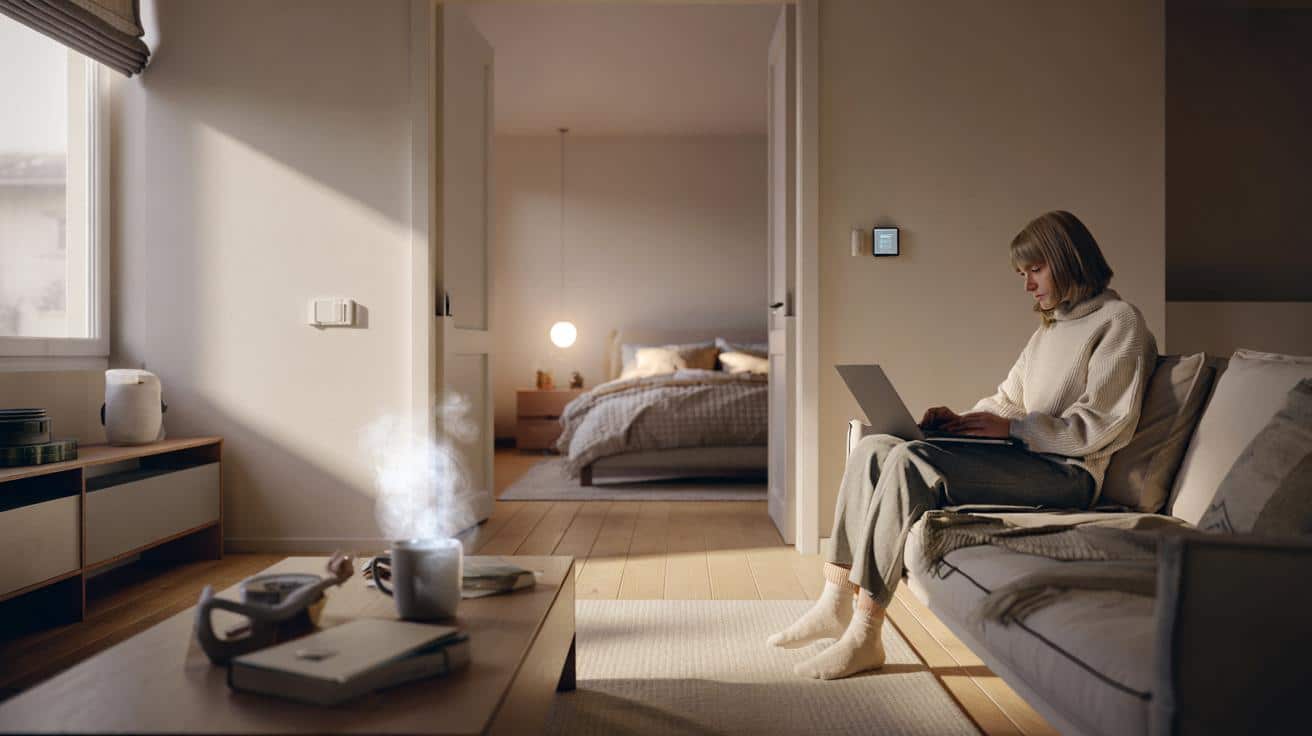
That old rule is being quietly rewritten. Energy specialists now say one rigid temperature no longer matches modern homes, changing work patterns and the way we actually live indoors.
The end of the 19°C rule
The 19°C guideline was born in the 1970s, in the middle of oil shocks and anxieties over fuel imports. Governments needed a simple message: turn the heating down, save money, save energy. It worked as a slogan, less as a science-backed comfort target.
Homes back then were poorly insulated. Windows leaked heat. Boilers were clunky and inefficient. A low setpoint could still feel fairly warm because radiators blasted hot air to compensate for draughts.
That context has changed. Modern buildings have thicker insulation, better glazing and smarter heating systems. Open-plan layouts and home offices also shift how and where we feel cold.
In today’s housing stock, a single “one-size-fits-all” temperature no longer matches real comfort or smart energy use.
Energy consultants now say the famous 19°C has become less a gold standard and more a relic from another era. It was originally chosen as a broad economic compromise, not as a sweet spot for human comfort.
Why experts now point to 20°C
The new benchmark making its way into guidance is 20°C for main living spaces. That single extra degree might sound trivial, but it makes a noticeable difference for most people, especially when they sit still for long periods.
At 19°C, many report a slight chill, particularly in the evening or when working at a desk. The body cools faster when you are inactive. You tense up, reach for thicker clothes, or switch on a plug-in heater near your feet.
Research in thermal comfort shows that around 20°C, the body finds it easier to maintain its core temperature of roughly 37°C during calm, sedentary tasks such as reading, streaming TV or working from home. Attention and comfort both tend to improve.
➡️ Even in winter, you can sprout sweet potatoes for spring
➡️ Rheinmetall receives major order for HERO loitering munitions
There is also a building-health angle. When a home stays too cool, surfaces can remain cold. That raises the risk of condensation forming on walls and windows, then mould. A slightly higher setpoint helps reduce these damp spots, especially in poorly ventilated corners.
A living room held at 20°C can cut the urge to use electric heaters, which are often far more expensive per kilowatt-hour than central heating.
Room-by-room temperatures instead of one target
Rather than searching for a single magic number, specialists now recommend a “zoned” approach to heating. The idea is simple: each room gets its own target based on how you use it.
Suggested temperatures across the home
| Room | Recommended temperature | Main reason |
|---|---|---|
| Living room / home office | Around 20°C | Comfort during sedentary activities |
| Bedrooms | 16–18°C | Better sleep quality and lower energy use |
| Bathroom | About 22°C | Limits cold shock when stepping out of the shower |
| Hallways and corridors | Around 17°C | Transition zones, lower comfort requirement |
Living areas such as lounges and home offices are where we sit, type or binge-watch for hours. These rooms benefit from that 20°C benchmark. It helps avoid the “cold back, hot radiator” feeling that comes from uneven heating or improvised heaters under desks.
Bedrooms are a different story. Sleep studies consistently show that a slightly cooler room supports deeper rest. A range between 16 and 18°C is generally seen as comfortable once you factor in duvets and sleepwear.
The bathroom is the exception that often gets overlooked in generic advice. Stepping from a hot shower into a chilly room is not only unpleasant; it can be risky for people with cardiovascular problems, as the body suddenly has to adjust to a sharp temperature change. Around 22°C there reduces that shock while still avoiding unnecessary overheating.
How smart heating tech changes the game
In the past, setting a different temperature for each room was a headache. You had one thermostat in the hallway and manual radiator valves you barely touched. Today, digital tools make zoned heating far easier.
- Connected thermostats allow you to schedule temperatures by room and by hour.
- Smart radiator valves can heat bedrooms in the evening and cool them again overnight automatically.
- Apps show real-time consumption, nudging households to adjust habits.
Energy agencies estimate that better control through smart thermostats can often trim heating bills by up to around 15%, provided households actually use the scheduling and zoning features and do not simply raise all setpoints.
Fine-tuned control often saves more energy than clinging to a single low temperature that leaves parts of the home uncomfortably cold.
There is a subtle financial balance. A common rule of thumb says every extra degree raises heating consumption by about 7%. That figure tends to assume a uniform increase across the entire home and no change in behaviour.
In reality, a more comfortable 20°C living room can stop people from plugging in extra heaters, turning on ovens just “to warm the kitchen”, or blocking radiators with furniture while trying to escape draughts. These compensations often waste far more energy than a small bump in the base temperature.
Practical scenarios: what happens if you change your settings?
Take a mid-sized flat currently held at 19°C almost everywhere. The occupants complain about feeling cold when working on laptops in the living room. They own two portable electric heaters, used several hours daily in winter.
If that flat shifts to 20°C in the main room, 17°C in the hallway and 17°C in bedrooms, and removes the plug-in heaters from daily use, total energy consumption can fall despite the higher target in one zone. The central system, often gas or a heat pump, usually runs at a lower cost per unit of heat than small electric units.
In a larger house, zoning can also prevent empty guest rooms from being fully heated all winter. Those spaces can be kept at a frost-protection level or gently warmed only before visits, freeing more budget for comfort where the family actually spends time.
Key terms that keep coming up
Two expressions appear frequently in these debates and are worth clarifying.
Thermal comfort covers more than the number on the thermostat. It combines air temperature, surface temperature (walls and floors), humidity, clothing and how active you are. A slightly cooler room with no draughts can feel nicer than a warmer one with icy walls and air leaks.
Setpoint is the temperature you ask your heating system to aim for. If you set 20°C, the thermostat will try to keep the room around that value, switching the boiler or heat pump on and off as needed. Lowering the setpoint at night or when you are out is one of the simplest ways to save energy.
Combining habits, clothing and tech
Temperature recommendations are not meant to ignore clothing. A light jumper or warm socks can extend your comfort range at 20°C and reduce the urge to crank the heating still higher. On the flip side, wearing summer clothes indoors in January will push your setpoint upwards and shrink any savings.
For households looking for a realistic compromise, specialists often suggest this trio: adopt the 20°C target in main living spaces, cool bedrooms slightly at night, and use programmable controls rather than manual on/off switches. That mix usually keeps both bills and shivers under control, without clinging to the old 19°C mantra at all costs.